
Post
How to Wash T-Shirts Correctly: The Complete Laundry Guide

Jun
How to Wash T-Shirts Correctly: The Complete Laundry Guide
Why Washing Correctly Is as Important as Buying Correctly
Even the most premium t-shirt deteriorates rapidly with improper washing and drying practices. Faded colors, distorted collars, shrunken bodies, and cracked prints are almost always the result of avoidable laundry mistakes rather than inherent fabric limitations.
Learning to wash your tees correctly doubles the useful life of every shirt in your wardrobe. At codai.click, we build our tees to last — and these care practices ensure that they deliver on that promise for as long as possible. Browse our full collection at codai.click/shop.
Sorting: The First Step That Most People Skip
Sorting laundry before washing is the most consistently neglected t-shirt care practice. Washing white and light-colored tees with dark or saturated colors is a common mistake that leads to gradual color transfer and permanently compromised white tees.
Sort your tees into three groups before every wash: whites and very light neutrals, dark colors and black, and medium tones and brights. Washing each group separately prevents cross-dye contamination and allows you to choose wash temperatures appropriate to each color category.
New tees — particularly dark or saturated colors — should always be washed alone in their first cycle. New garments often release excess dye in the first wash that would permanently stain lighter items sharing the same load.
Temperature: The Single Most Important Washing Decision
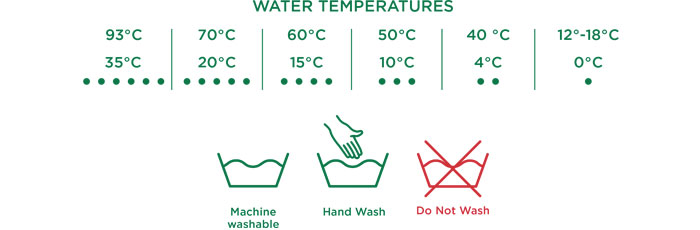
Wash temperature has the greatest single impact on t-shirt longevity of any laundry variable. The vast majority of t-shirt deterioration — shrinkage, color fading, fiber breakdown, print cracking — is accelerated by washing in water that is too hot.
Cold water washing (under thirty degrees Celsius) is the correct choice for the vast majority of t-shirts in everyday use. Cold water prevents shrinkage, preserves color intensity, extends print life on graphic tees, and is gentler on cotton fibers than warm or hot alternatives. It is also more energy-efficient, making it the environmentally superior choice as well.
Warm water washing (thirty to forty degrees Celsius) is appropriate how to wash t-shirts for heavily soiled tees that require more aggressive cleaning action. Use it only when cold water does not adequately remove soil from a specific garment — not as a default wash temperature.
Hot water washing above sixty degrees Celsius causes significant shrinkage in cotton tees, accelerates color fading, and degrades the cotton fibers themselves with repeated exposure. Reserve very hot cycles for heavily soiled workwear or items that require high-temperature sanitization — never for casual cotton tees.
Detergent: What to Use and What to Avoid
Detergent choice significantly affects both cleaning effectiveness and long-term fabric quality. The wrong detergent can damage colors, build up residue that attracts soil, and weaken cotton fibers over time.
Use a liquid detergent rather than powder for best results in cold water how to wash t-shirts washing. Powder detergents sometimes fail to dissolve completely in cold water, leaving residue on fabric that dulls appearance and attracts soil over time. Liquid formulations dissolve fully at any temperature.
Choose a detergent matched to your tee colors. Detergents with optical brighteners (often labeled as containing fluorescent whitening agents) are ideal for white and light-colored tees — they actively maintain brightness against gradual yellowing. For dark and black tees, choose a dark-fabric formulation that does not contain brighteners, which can actually fade dark colors with repeated use.
Avoid fabric softeners on cotton t-shirts. Softeners coat cotton fibers with a waxy film that reduces breathability, dulls natural cotton texture, and accumulates over time — contributing to yellowing in white tees and reducing moisture absorption in all cotton garments.
Washing Inside Out: The Easy Habit That Preserves Everything
Turning t-shirts inside out before placing them in the washing machine is the simplest and most impactful single care habit you can establish. It protects the outer fabric surface from mechanical abrasion against other garments and the washing drum — the primary cause of surface pilling and graphic wear on printed tees.
For graphic tees specifically, inside-out washing is not optional — it is essential. Direct abrasion against the printed surface accelerates ink breakdown, cracking, and peeling far faster than the washing chemistry alone. Always wash printed tees inside out without exception.
Drying: The Stage Where Most Damage Occurs
The drying stage is where the majority of avoidable t-shirt damage actually occurs. High-heat tumble drying is the primary cause of cotton shrinkage, graphic print cracking, and elastic collar distortion in cotton t-shirts.
Air drying is the gold standard for preserving t-shirt quality. Hang tees from the hem or body rather than the shoulder points to prevent collar and shoulder seam distortion. Dry in shade rather than direct sunlight — UV exposure accelerates color fading in both solid and printed fabrics.
If tumble drying is necessary, always use the lowest heat setting available. Remove how to wash t-shirts tees while still slightly damp and lay flat to finish drying. This approach balances the convenience of machine drying against the heat damage that high-temperature settings cause.
The care standards applied to quality garments like t-shirts have been part of the fabric and clothing discussion for decades, as explored in the broader context at Wikipedia’s t-shirt article.
Ironing: When and How
Most premium cotton t-shirts require minimal or no ironing when air dried correctly. If creases require addressing, use a medium heat setting and iron on the reverse side to protect the outer fabric surface. Never iron directly over a printed graphic — the heat can damage even quality water-based inks.
A light steam treatment is often more effective than direct ironing for smoothing cotton tees. Hold the iron above the fabric and use steam alone to relax creases without direct heat contact.
Stain Removal: Act Fast and Use the Right Method
The most important rule in t-shirt stain removal is acting immediately. Fresh stains are dramatically easier to remove than set stains, regardless of the stain type or removal method used.
For food and drink stains, how to wash t-shirts rinse immediately with cold water from the reverse side of the fabric to push the stain out rather than driving it deeper. Apply a small amount of liquid dish soap or dedicated stain remover before washing as normal.
For oil-based stains (food oil, cosmetics, sun cream), apply a small amount of dish soap directly to the stain before washing. The surfactant in dish soap is specifically effective at breaking down fatty compounds that bond with cotton fibers.
Conclusion: Great T-Shirts Deserve Great Care How To Wash T-Shirts
Every premium tee you buy at codai.click is built to last through years of regular wearing when properly cared for. These washing and drying practices protect that investment and ensure every shirt continues delivering the look and feel it had on day one.
Shop our premium tee collection at codai.click and treat every shirt in it with the care it deserves.
