
Post
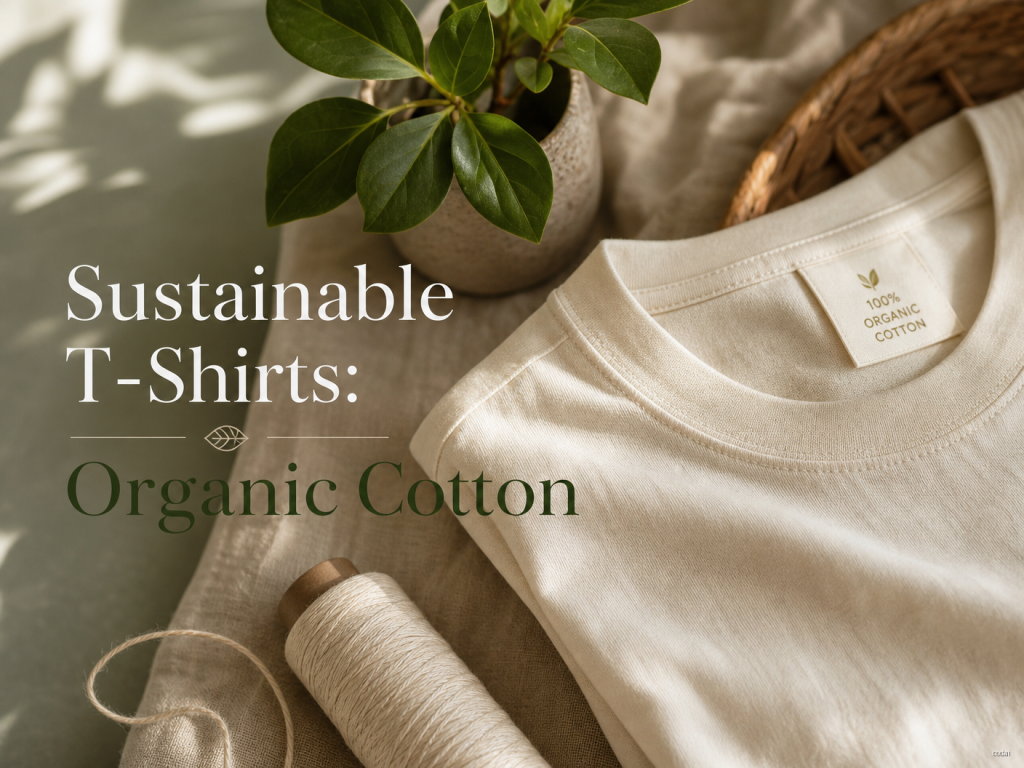
Sustainable T-Shirts: Why Organic Cotton Is Worth Every Penny
Jun
Sustainable T-Shirts: Why Organic Cotton Is Worth Every Penny
As consumers become increasingly aware of how their purchasing decisions affect the environment, sustainable fashion has evolved from a niche movement into a global priority. Among the many eco-friendly clothing options available today, the organic cotton t-shirt has emerged as one of the most popular and practical choices for people who want to combine comfort, quality, and environmental responsibility.
While organic cotton garments often come with a higher price tag than conventional alternatives, many shoppers wonder whether the additional cost is truly justified. The answer lies in understanding how organic cotton is grown, processed, and transformed into clothing that benefits not only the environment but also the people who wear it.
In this guide, we’ll explore why investing in an organic cotton t-shirt is a decision that delivers long-term value for your wardrobe, your comfort, and the planet.
What Is an Organic Cotton T-Shirt?
An organic cotton t-shirt is made from cotton that has been cultivated without the use of synthetic pesticides, chemical fertilizers, genetically modified seeds, or harmful herbicides.
Instead, organic cotton farmers rely on natural agricultural methods such as:
- Crop rotation
- Compost-based fertilization
- Biological pest management
- Soil conservation practices
- Water-efficient farming techniques
These methods help create healthier ecosystems while reducing the environmental damage commonly associated with conventional cotton production.
The result is a fabric that is not only environmentally responsible but also exceptionally comfortable and durable.
Why Conventional Cotton Has Environmental Challenges
Cotton is one of the most widely used natural fibers in the world. However, conventional cotton farming often relies heavily on synthetic chemicals.
High Chemical Usage
Traditional cotton cultivation frequently requires large quantities of:
- Pesticides
- Insecticides
- Herbicides
- Synthetic fertilizers
These chemicals can contaminate nearby soil, rivers, groundwater, and ecosystems.
In many agricultural regions, chemical runoff negatively impacts wildlife and contributes to long-term environmental degradation.
Impact on Farming Communities
The environmental effects extend beyond nature. Farm workers and nearby communities may also face increased exposure to agricultural chemicals, creating potential health concerns over time.
By eliminating many of these synthetic inputs, organic farming provides a cleaner and safer alternative for both people and the environment.
How Organic Cotton Is Different
The primary distinction between organic and conventional cotton lies in how the fiber is produced.
An organic cotton t-shirt begins with farming practices designed to work with nature rather than against it.
Healthier Soil
Organic farming focuses on improving soil quality through natural methods.
Healthy soil offers several advantages:
- Better nutrient retention
- Improved water absorption
- Reduced erosion
- Greater biodiversity
Over time, healthy soil becomes more resilient and productive without relying on chemical fertilizers.
Reduced Water Consumption
Organic farming methods often improve soil structure, allowing it to retain moisture more effectively.
As a result, many organic cotton farms require less irrigation compared to conventional operations.
In a world facing increasing water scarcity, this benefit is particularly important.
Greater Biodiversity
Because organic farms avoid many synthetic pesticides, they create environments that support:
- Pollinators
- Birds
- Beneficial insects
- Local plant species
This contributes to healthier ecosystems and more sustainable agricultural systems overall.
The Comfort Benefits of an Organic Cotton T-Shirt
Environmental benefits are only part of the story. Many consumers first notice the difference when they actually wear an organic cotton t-shirt.
Softer Feel
Organic cotton fibers are often processed more gently than conventional cotton.
This can help preserve the natural softness of the fibers, resulting in fabric that feels smoother and more comfortable against the skin.
Many people describe organic cotton as:
- Softer
- Lighter
- More breathable
- More comfortable for all-day wear
Better for Sensitive Skin
Because organic cotton is produced with fewer harsh chemicals, it may be a better option for individuals with:
- Sensitive skin
- Allergies
- Eczema
- Skin irritation concerns
The absence of certain chemical residues can reduce the likelihood of discomfort, especially for those who wear t-shirts frequently.
Ideal for Children
Children’s skin is often more sensitive than adult skin.
For parents seeking safer and more comfortable clothing options, an organic cotton t-shirt offers peace of mind while providing the softness and durability needed for everyday wear.
Why Organic Cotton Supports Sustainable Fashion
The fashion industry is increasingly under pressure to reduce its environmental footprint.
Consumers are demanding:
- Ethical production
- Sustainable materials
- Transparent supply chains
- Reduced environmental impact
Organic cotton aligns closely with these goals.
Lower Carbon Footprint
Healthy organic soil can store more carbon than heavily degraded soil.
By encouraging regenerative agricultural practices, organic cotton farming may contribute to carbon sequestration and climate resilience.
Reduced Pollution
Because organic farms avoid many synthetic chemicals, fewer pollutants enter:
- Rivers
- Lakes
- Groundwater systems
- Agricultural ecosystems
This helps protect both natural habitats and local communities.
Long-Term Sustainability
An organic cotton t-shirt represents a shift away from fast-fashion consumption and toward more responsible purchasing habits.
Choosing higher-quality garments that last longer can reduce waste and encourage a more sustainable relationship with clothing.
Understanding Organic Certifications
Not every product labeled “organic” meets the same standards.
When shopping for an organic cotton t-shirt, certification can help verify environmental and ethical claims.
GOTS Certification
The Global Organic Textile Standard (GOTS) is widely considered the gold standard for organic textiles.
GOTS certification evaluates:
- Organic fiber content
- Processing methods
- Chemical restrictions
- Environmental practices
- Social responsibility standards
Products carrying this certification have undergone rigorous third-party verification.
Organic Content Standard (OCS)
The Organic Content Standard verifies the percentage of organic material within a product.
While valuable, OCS focuses primarily on fiber content and does not address the full manufacturing process to the same extent as GOTS.
OEKO-TEX Certification
OEKO-TEX Standard 100 is not specifically an organic certification.
However, it verifies that textiles have been tested for harmful substances and meet strict safety requirements.
For consumers concerned about skin safety and product quality, OEKO-TEX remains an important indicator.
Is an Organic Cotton T-Shirt Worth the Higher Price?
One of the most common questions consumers ask is whether the additional cost is justified.
The answer depends on how you define value.
What You’re Paying For
When purchasing an organic cotton t-shirt, you’re supporting:
- Environmentally responsible farming
- Reduced chemical usage
- Better worker conditions
- Sustainable production practices
- Higher-quality materials
These factors contribute to the higher production costs associated with organic apparel.
Cost Per Wear Matters
Rather than focusing solely on purchase price, consider cost per wear.
A well-made organic cotton t-shirt that remains comfortable and durable for years often provides greater overall value than a cheaper shirt that quickly loses its shape or softness.
Higher quality frequently translates into longer garment life and improved long-term satisfaction.
Building a Sustainable T-Shirt Collection
Transitioning to a more sustainable wardrobe does not require replacing every item you own overnight.
A gradual approach is often the most practical and affordable strategy.
Start with Everyday Essentials
Focus first on the garments you wear most frequently.
Common choices include:
- White t-shirts
- Black t-shirts
- Grey t-shirts
- Neutral everyday basics
Since these shirts spend the most time against your skin and require frequent washing, switching to organic cotton can have the greatest impact.
Prioritize Quality Over Quantity
Instead of purchasing numerous inexpensive garments, consider investing in fewer high-quality pieces.
This approach often results in:
- Better durability
- Improved comfort
- Reduced clutter
- Lower long-term spending
Quality-focused purchasing is one of the simplest ways to embrace sustainable fashion.
How Organic Cotton Fits Into Modern Consumer Values
Today’s consumers increasingly seek products that align with their values.
An organic cotton t-shirt appeals to individuals who care about:
- Environmental responsibility
- Ethical sourcing
- Personal health
- Product quality
- Long-term sustainability
As awareness continues to grow, organic cotton is becoming less of a niche option and more of an industry standard.
Many experts believe this shift will continue accelerating as consumers demand greater transparency from clothing brands.
The Future of Sustainable T-Shirts
The future of fashion will likely emphasize sustainability more than ever before.
Key trends include:
- Organic materials
- Recycled fabrics
- Ethical manufacturing
- Circular fashion systems
- Reduced environmental impact
Organic cotton is positioned at the center of this movement because it offers practical benefits that consumers can immediately experience.
Unlike some sustainability initiatives that remain invisible to shoppers, the comfort, softness, and quality of organic cotton are tangible advantages that people notice every time they wear the garment.
Conclusion: Why Organic Cotton Is a Smart Investment
An organic cotton t-shirt offers far more than a simple wardrobe upgrade. It represents a conscious decision to prioritize comfort, quality, environmental responsibility, and ethical production.
While organic cotton garments may cost more upfront, the benefits extend far beyond the price tag. From softer fabrics and improved skin comfort to reduced environmental impact and support for sustainable farming, the value becomes clear with every wear.
As consumers continue seeking clothing that aligns with both their personal values and practical needs, organic cotton remains one of the smartest investments available. Choosing organic isn’t simply about buying a better t-shirt—it’s about supporting a better future for fashion, agriculture, and the planet.
